Q1) What is your coaching philosophy?
My coaching philosophy centres on the individual. I focus on understanding each person's needs and tailoring my approach to support their unique development. This includes the person's physical prowess, age and even if the person is limited by past injuries. Rather than chasing quick wins, I prioritise long-term growth and sustainable improvement. Every session is structured with the player's desired outcomes in mind, ensuring that the work we do is purposeful and relevant. At the same time, I believe that progress should be enjoyable — learning is most effective when the process is engaging, positive, and fun.
Q2) How do you structure your lessons i.e. what can a student expect during a typical coaching session with you?
There isn't a typical coaching session per se, as I structure and tailor the coaching sessions for the individual, whether the person is a complete beginner with no racket experience or a seasoned competitive player.
However, the approach that I take is to break down the skills/techniques into smaller components, practice each part, then integrate them and practice applying the skill across different situations. So for example, if the player is learning how to topspin dink, then I would first cover footwork, followed by how to topspin, how to hit to range & target, and then put it all together. Finally, we would practice applying the topspin dink across different situations and during live rallies, including decision-making — when to use the shot and when not to use the shot.
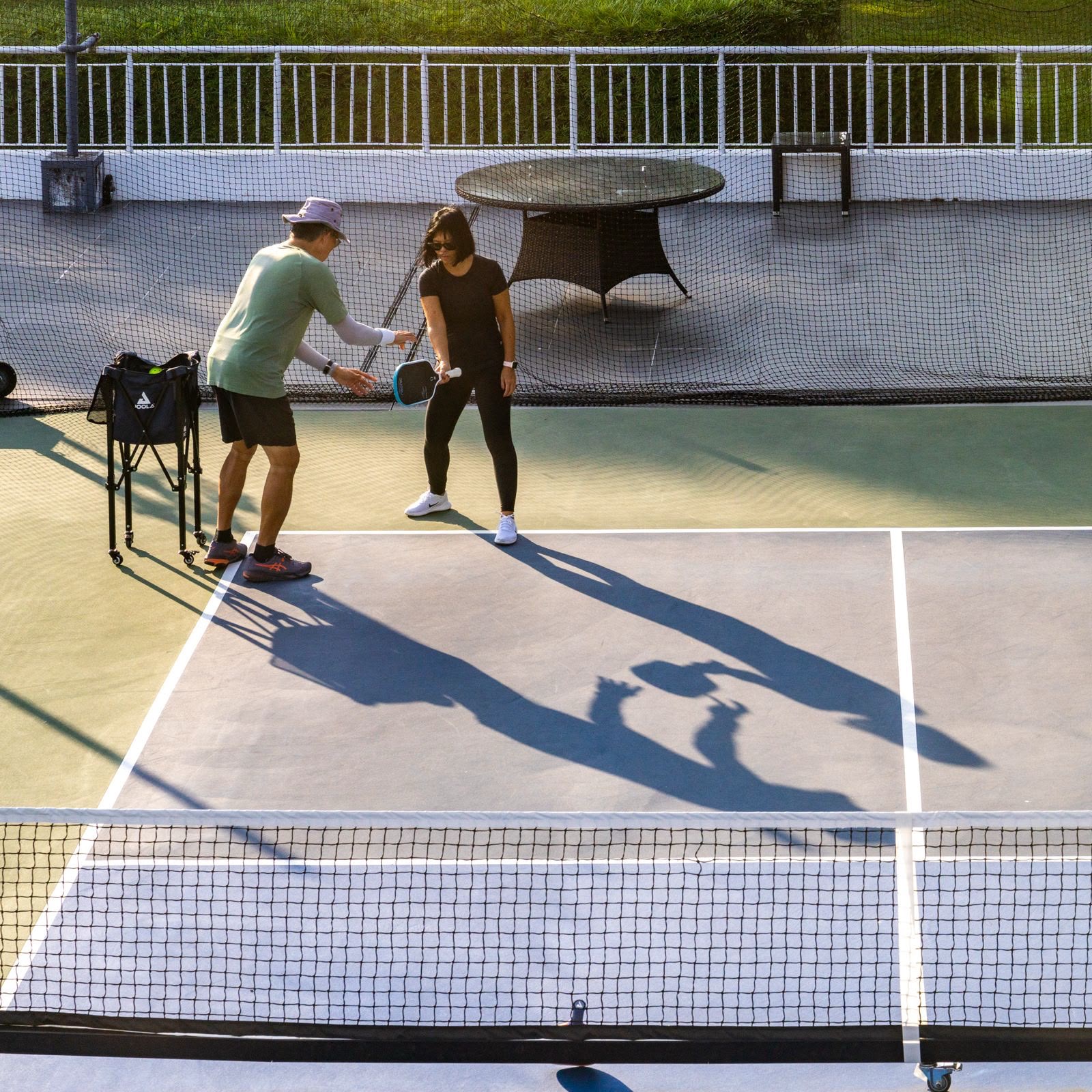
Credit: @pang_cheong_yan
Q3) What is a non-negotiable Pickleball stroke/skill that you believe every student must/should learn and master?
Pickleball is constantly evolving, and that is part of what makes it so exciting. A few years ago, players who could reset effectively and reach the kitchen often won points through patient dinking. Today, however, the game has shifted, with players adopting a much more aggressive style of play.
At the foundation, every player should develop key skills such as resetting, dinking, volleying, and driving, which are essential to reaching a competent level of play. As players improve, consistency becomes critical, along with the ability to apply aggression from anywhere on the court. This does not mean playing aggressively at all times, but rather recognising and capitalising on the right opportunities. As players transition into competitive play, they must learn to leverage their strengths, construct rallies strategically, and recognise patterns. In addition, reading opponents effectively and developing mental resilience are crucial elements for success at higher levels.
Q4) How do you maintain patience with students who may take longer to grasp concepts? Would you tell a student that Pickleball may not be for him/her?
I believe pickleball is one of the most inclusive racket sports, offering something for people of all ages and abilities. It's a game that anyone can learn, though some may pick it up quickly while others may take more time. For instance, I once coached a student who struggled to make contact with the ball during their first lesson. With consistent practice and effort, that same individual now enjoys playing social games.
Q5) Tell us about a rewarding/memorable moment where a student of yours made you proud?
There have been many moments when my students have made me proud. For example, it's been especially rewarding to see some win their first medals in local tournaments and others progress to competing at the regional level. I'm also encouraged by those who have significantly improved their DUPR ratings, including several who have crossed the 4.0 mark. Just as meaningful, however, are the students who started from scratch and have grown to enjoy the sport regularly.
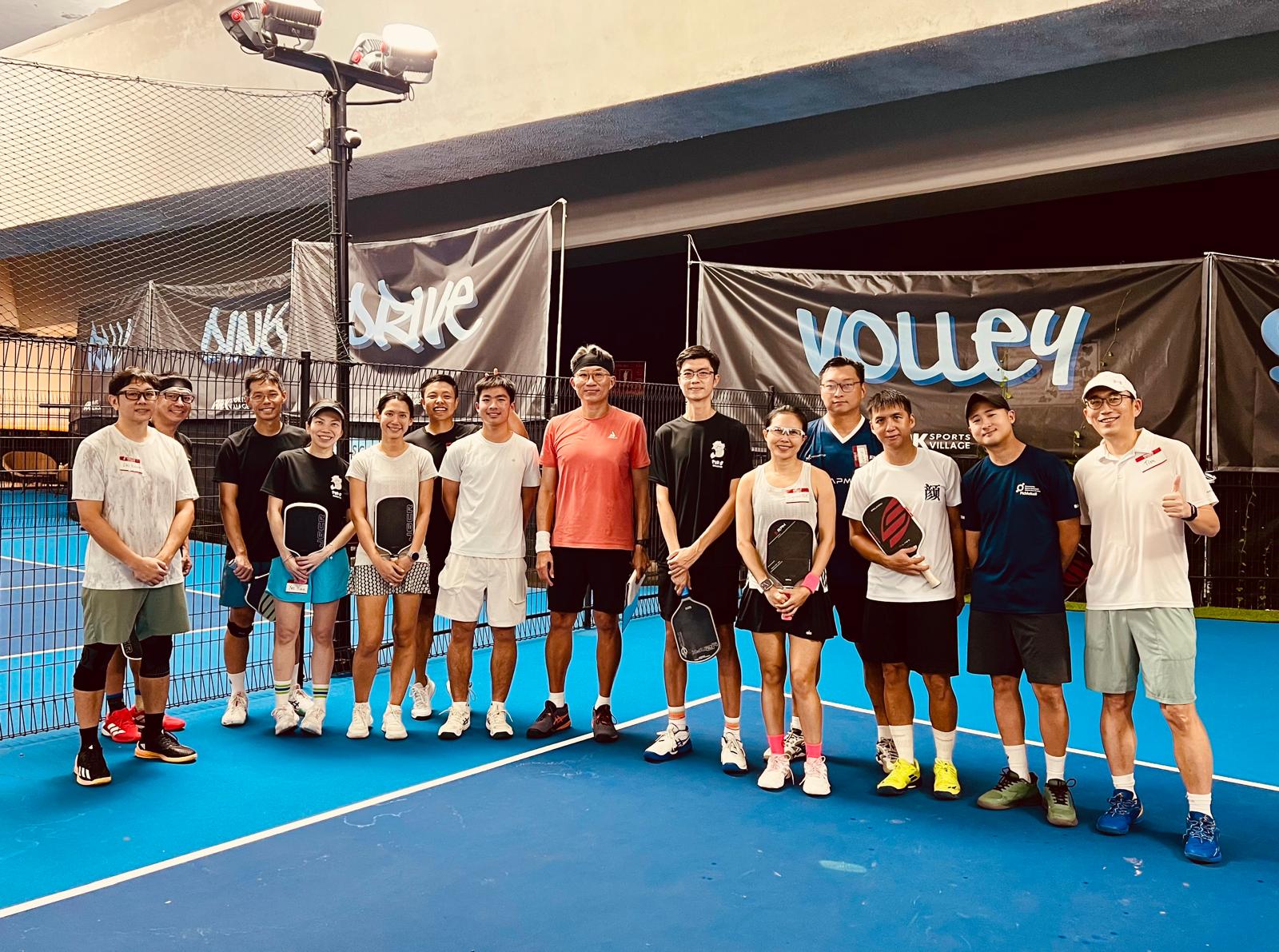
Credit: @thelionpickleball
Q6) What advice would you give Pickleball enthusiasts who may be considering Coaching as a side-hustle or a full-time gig?
A strong pickleball coach combines solid technical expertise with patience, clear communication, and a positive attitude. Effective coaching goes beyond teaching strokes — you need to simplify complex movements, tailor your approach to each player's learning style, and help build their confidence on the court. If a person has strong technical skills combined with strong people skills/emotional intelligence, and is passionate about the sport, then I would definitely encourage the person to consider coaching.
🎓Coaching Qualifications/Certifications:
International Pickleball Teaching Professional Association Certified Coach
Years of playing Pickleball: 6 years
Years of Coaching: 3 years
🏆Accolades/medals/awards won
Singapore Pickleball National Ranking 2025
Ranked #1 Men's Doubles 50+ | Ranked #1 Mixed Doubles 50+
Asia Pickleball OPEN 2026, Bangkok, March 2026
Champion, 50+ Open Men's Doubles
PPA Vietnam Cup 2025, Da Nang October 2025
Silver, Mixed Doubles 50+ | Bronze Men's Doubles 50+
PPA Hong Kong Open 2025 August 2025
Champion, Men's Doubles 50+
China Open 2025, Chengdu April 2025
Champion, Senior Men's Doubles
PWR Masters 700 tournament Japan February 2025
Silver, Senior Mixed Doubles
World Pickleball Championship Asia pacific, Vietnam 2024 April 2024
Champion, 50+ Open Mixed Doubles
Silver, 50+ Open Men's Doubles
Bronze, 50+ Open Men's Singles
Show Less ↑